

Ketamine Infusion Therapy in the Quad Cities
Physician-supervised IV ketamine for treatment-resistant depression, anxiety, PTSD, and chronic pain. A real option when the medications you've tried haven't worked.
5.0 on Google · 100+ reviews · Physician-led · in person or virtual appointments
What Is Ketamine Infusion Therapy?
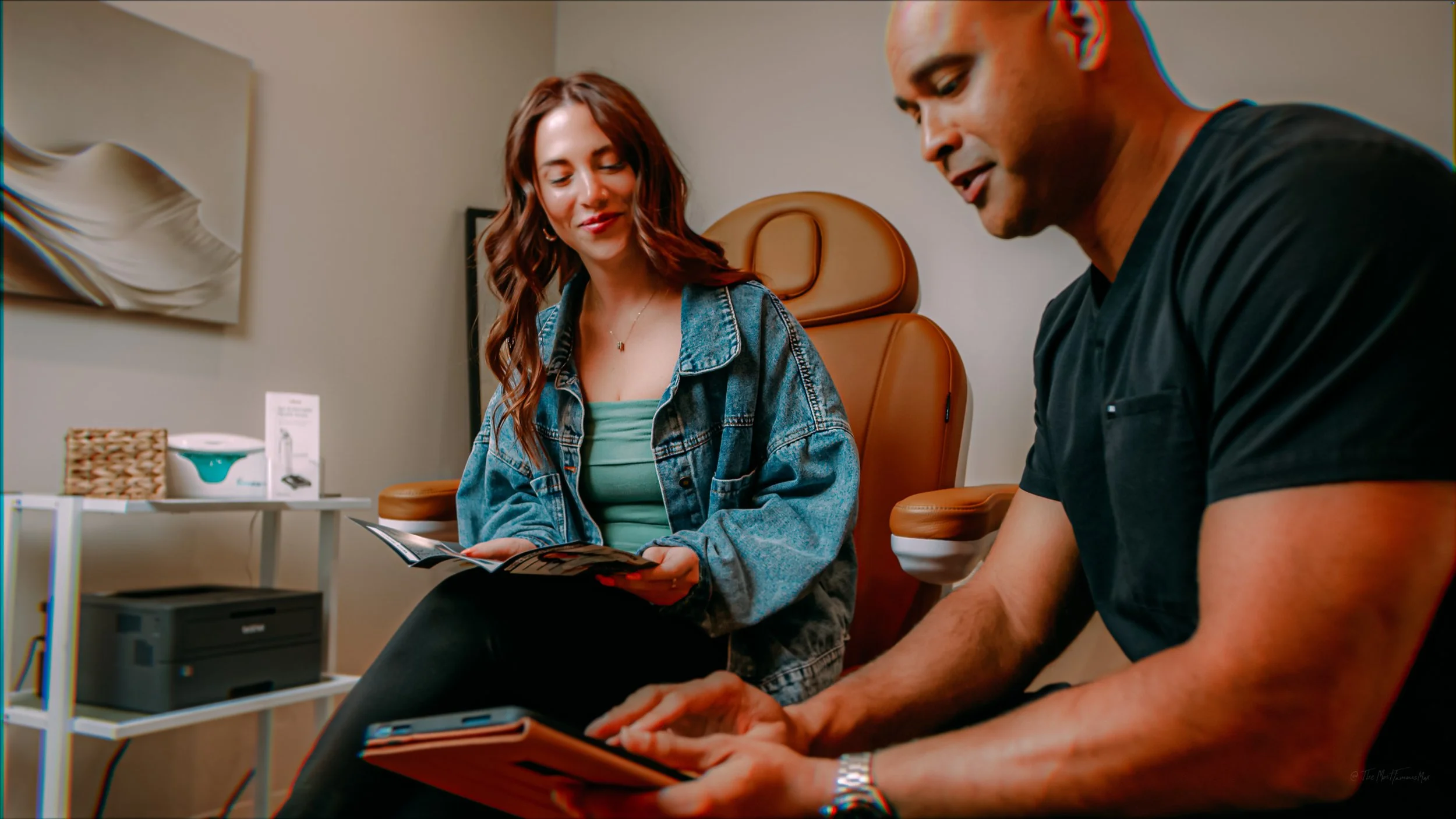
Ketamine is a medication that has been used safely in medical settings for over 50 years. In recent years, low-dose IV ketamine has been recognized as one of the most effective treatments available for depression, anxiety, PTSD, and chronic pain that haven't responded to other therapies.
It works differently from traditional antidepressants. Instead of taking weeks or months to feel a shift, most patients feel relief within hours or days. It is not a recreational use of ketamine. It is a clinical, supervised infusion in a calm setting, given at very specific doses by a medical team.
You've Tried Everything You're “Supposed” to Try.
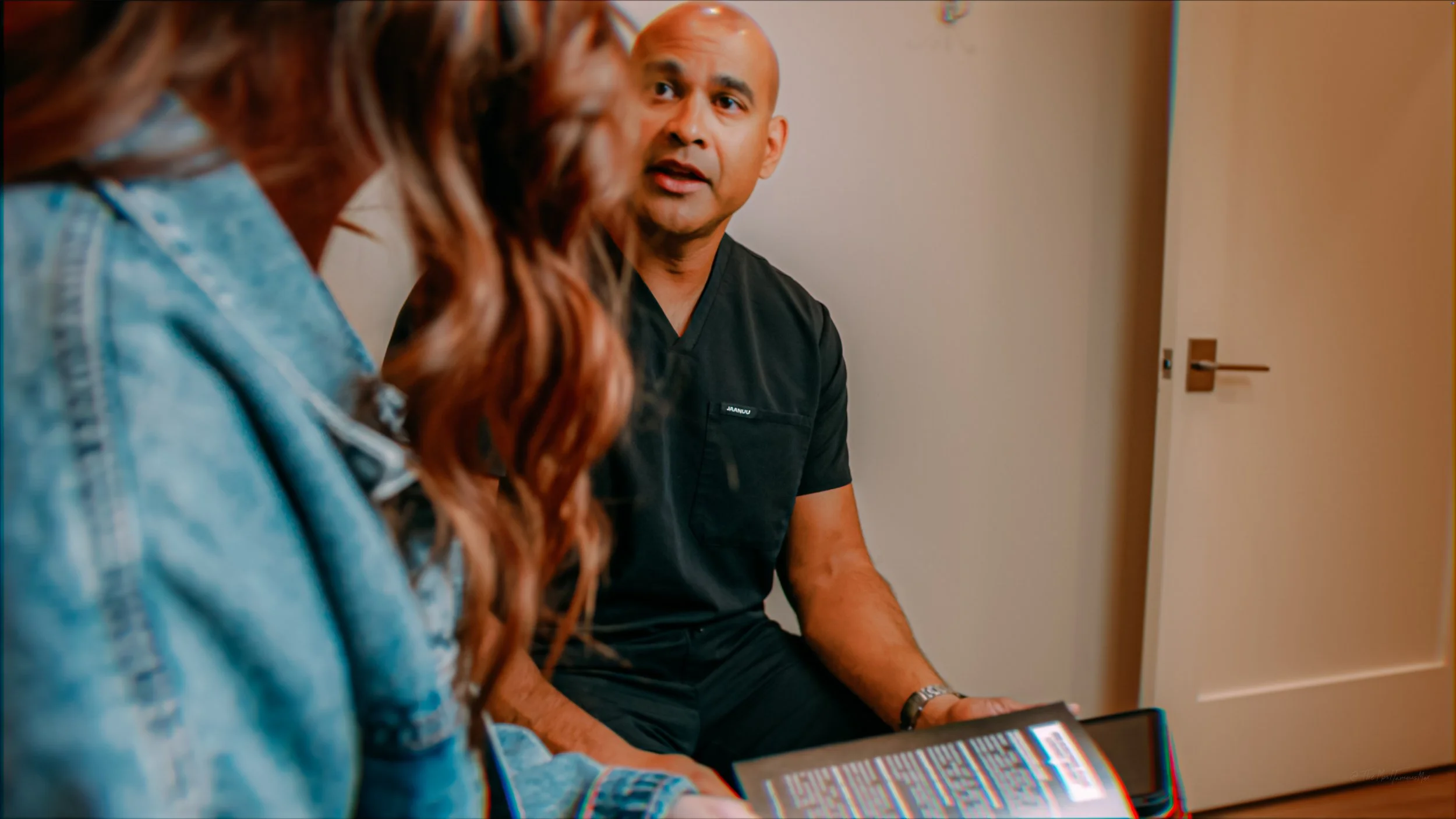
You've been on antidepressants. You've done therapy. Maybe you've cycled through three or four medications and none of them moved the needle. Maybe they did at first, then stopped working. Maybe the side effects were worse than the depression.
You are not stuck. You have not run out of options. Ketamine has helped people who had given up on getting better, and the research backs it up.
If you are in crisis right now, please call or text 988 (the Suicide and Crisis Lifeline) before you read another word of this page. We'll be here when you're ready.

How We Do Ketamine Therapy at Mint
Step one | Book your wellness consult
A real conversation about your history, your diagnoses, what you've tried, and whether ketamine is a fit. We screen carefully. Not everyone is a candidate, and we're honest about that.
Step two | Begin your induction series
Three infusions in the first month, spaced out to build the antidepressant effect. Each infusion is roughly 40 to 60 minutes in a calm, private treatment room with monitoring.
Step three | Start feeling better
Most patients shift to monthly maintenance infusions after the induction phase. The schedule is adjusted to what your body and your symptoms are telling us.
Who Ketamine Therapy Is For
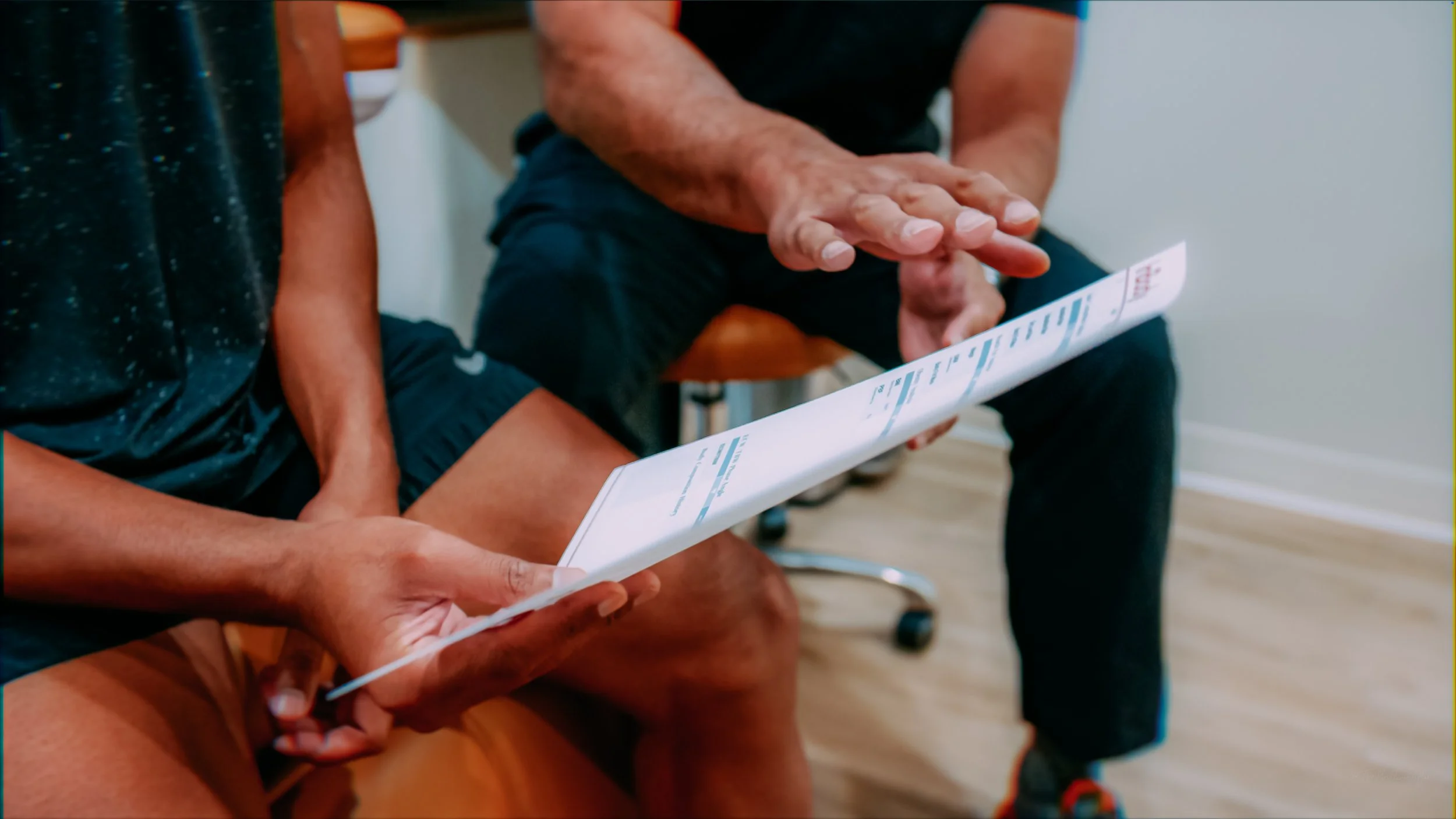
Ketamine at Mint is for adults dealing with:
Treatment-resistant depression
Major depressive disorder
Generalized anxiety
Post-traumatic stress disorder (PTSD)
Chronic pain conditions
Suicidal ideation that hasn't responded to other care (with appropriate provider screening)
Ketamine is not appropriate for everyone. We screen for certain medical and psychiatric conditions during your consult. We will tell you honestly if it isn't the right fit, and we will help you think about what is.
What's Included
Wellness consult and full clinical screening
Pre-infusion medical clearance
Private, monitored infusion room
40 to 60 minute IV ketamine infusion under medical supervision
Post-infusion observation and recovery time
Integration support between sessions
What to Expect
-
Before Your Infusion
Eat a light meal a few hours before
Arrive with a driver, since you cannot drive for the rest of the day
Wear comfortable clothes
Bring headphones if you want music or a guided meditation during your session
-
During The Infusion
You'll be in a private, dim treatment room
IV is placed and ketamine is infused slowly over 40 to 60 minutes
A medical team monitors your vitals throughout
You may feel a dreamlike, dissociated state. This is normal and is part of how the medication works.
-
After The Infusion
You'll rest in the recovery area for 15 to 30 minutes
Your driver takes you home
No driving, no decisions of consequence, no work for the rest of the day
Most patients feel a shift in mood within hours to days
What Our Patients Actually Say
-
![Five gray stars on a black background]()
"He answered all of our questions and provided my Mom with answers she's been looking for for years!!!"
— Crenrs
-
![Five gray stars in a row.]()
"It felt like she was truly seeing me and what I needed from her service."
— Grace Belk
-
![Five gray stars displayed horizontally on a black background.]()
"Dr. Sundar and I discussed my goals, his recommendations and what the service entailed. He answered all of my questions, discussed any concerns I had, and communicated everything step by step leaving me feeling very comfortable and at ease."
— Kris Andersen

Physician-Supervised Ketamine Care
Ketamine therapy at Mint is overseen by Dr. Sanjay Sundar, MD (Medical Director). Every patient is screened, monitored during the infusion, and supported between sessions. We treat ketamine like the powerful medication it is, not like a wellness trend.
Mint is led by Dr. Sundar and Rachel Sundar, RN (Founder), with Nurse Practitioner Nikki Goff, DNP, on the clinical team. We are open about who is and is not a candidate, and we partner with your existing therapist or psychiatrist when one is involved in your care.
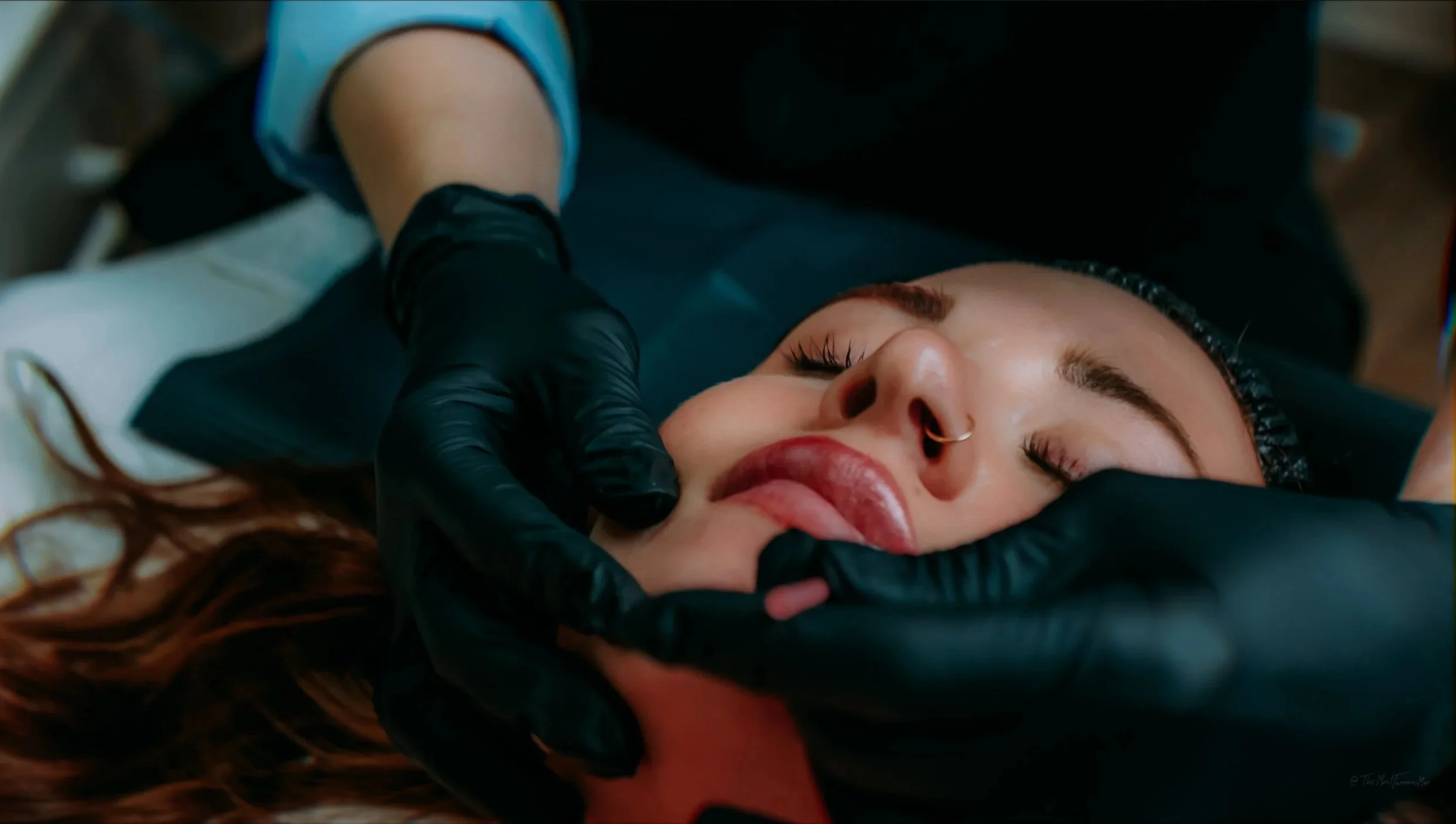
Ready to Try Something That Actually Works?
Book your wellness consult and find out whether ketamine is the right next step for you.
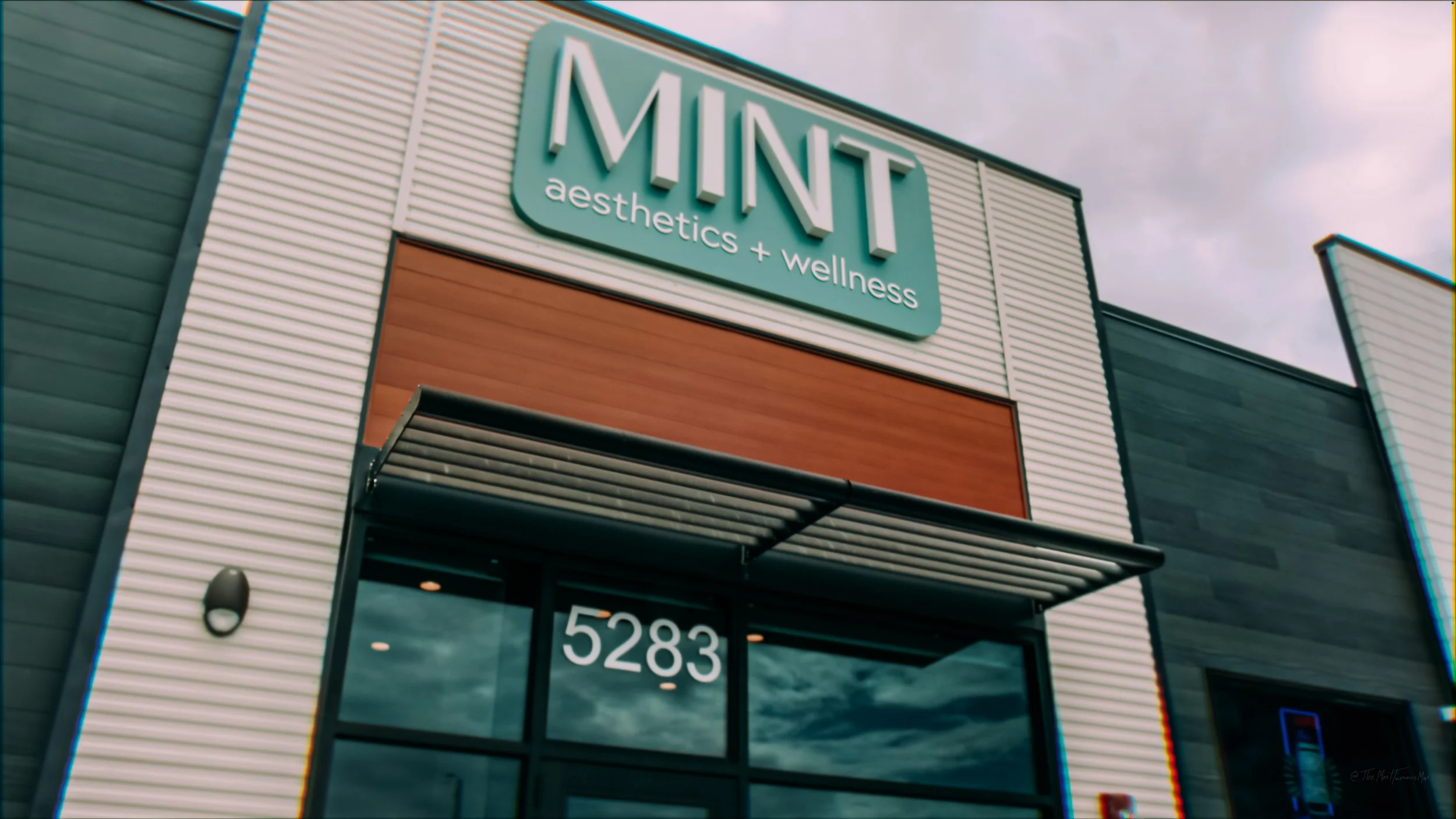
More About Ketamine Infusion Therapy at Mint
Mint Aesthetics + Wellness offers physician-supervised IV ketamine infusion therapy at our Bettendorf, Iowa clinic. Ketamine infusions at Mint are administered by a medical team in a private, monitored treatment room, with every patient screened during a wellness consult before any infusion is scheduled.
-
IV ketamine is one of the most studied treatment options for depression and anxiety that have not responded to traditional medications. Unlike SSRIs, which can take weeks or months to take effect, ketamine often produces a noticeable shift in mood within hours to days after the first infusion. Common conditions treated with ketamine at Mint include treatment-resistant depression, major depressive disorder, generalized anxiety, post-traumatic stress disorder (PTSD), and chronic pain conditions. Provider screening is required, and ketamine is not appropriate for every patient.
A typical induction protocol consists of three infusions in the first month, spaced out to build the antidepressant effect, followed by monthly maintenance infusions adjusted to the patient's response. Each session lasts approximately 40 to 60 minutes, with additional recovery and observation time before discharge. Patients must arrange transportation home after each session and cannot drive for the remainder of the day.
Ketamine infusion sessions at Mint are $300 each. Initial wellness consults are $125. Mint is led by Dr. Sanjay Sundar, MD (Medical Director) and Rachel Sundar, RN (Founder), with Nurse Practitioner Nikki Goff, DNP, and aesthetician Lori Caruso on the clinical team. Ketamine infusion therapy requires an in-person visit at the Bettendorf clinic and cannot be delivered virtually.
The practice serves patients across the Quad Cities including Bettendorf, Davenport, Moline, Rock Island, East Moline, Eldridge, LeClaire, Walcott, Silvis, Colona, Milan, Muscatine, Clinton, Iowa City, Aledo, Cambridge, Kewanee, and Geneseo.
This page is informational and is not a substitute for medical advice. If you are in crisis, please call or text 988 (the Suicide and Crisis Lifeline) or go to your nearest emergency room.
Frequently Asked Questions
-
When administered in a clinical setting by trained providers with proper screening and monitoring, IV ketamine has a strong safety record. It has been used in medicine for over 50 years. The risks come from unsupervised use, not from physician-supervised infusion therapy.
-
Most patients experience a dreamlike or dissociated state during the infusion. The medication wears off relatively quickly. The therapeutic effect on mood happens over the next hours and days, not during the infusion itself.
-
Many patients feel a shift within hours to days of their first infusion. Full effect typically builds across the three-session induction phase.
-
Not usually. Most patients move from induction to monthly maintenance, then to less frequent boosters as their symptoms stabilize. The protocol is adjusted to what your body and mood are doing.
-
Ketamine infusion therapy for depression and anxiety is typically not covered by insurance and is cash-pay. We accept payment plans through Cherry
-
In most cases, yes. We coordinate with your prescribing provider. Some medications interact with ketamine and may need to be adjusted, which is part of why a careful screening matters.
-
No. IV ketamine infusion therapy must be administered in person at our Bettendorf clinic for safety and monitoring reasons.
-
We recommend it for most patients, especially during the induction phase. Ketamine opens a window for therapeutic work, and pairing the infusions with talk therapy improves outcomes.
Related Services
-
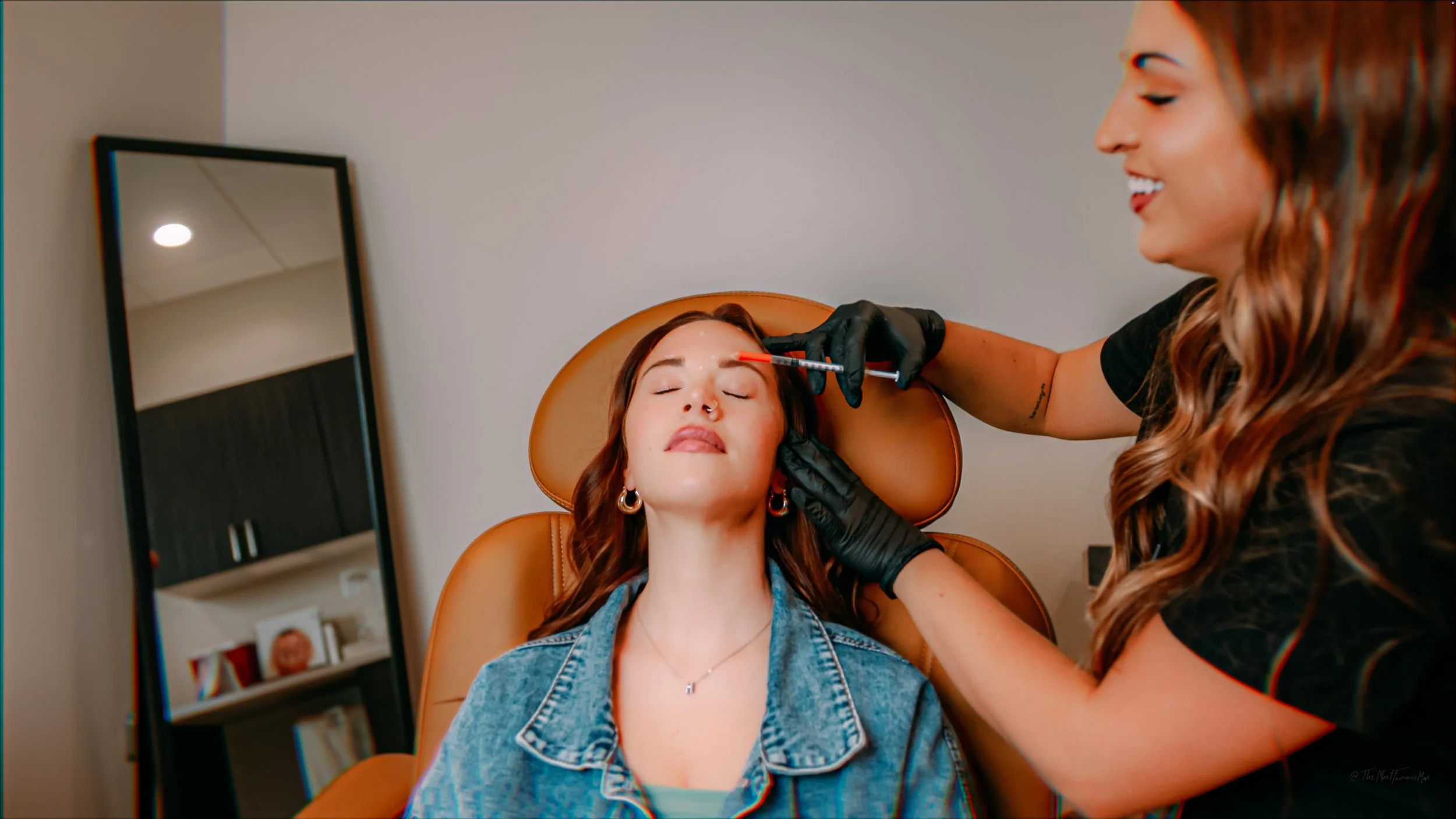
Wellness Consults + Lab Testing
The entry point for every protocol at Mint.
-
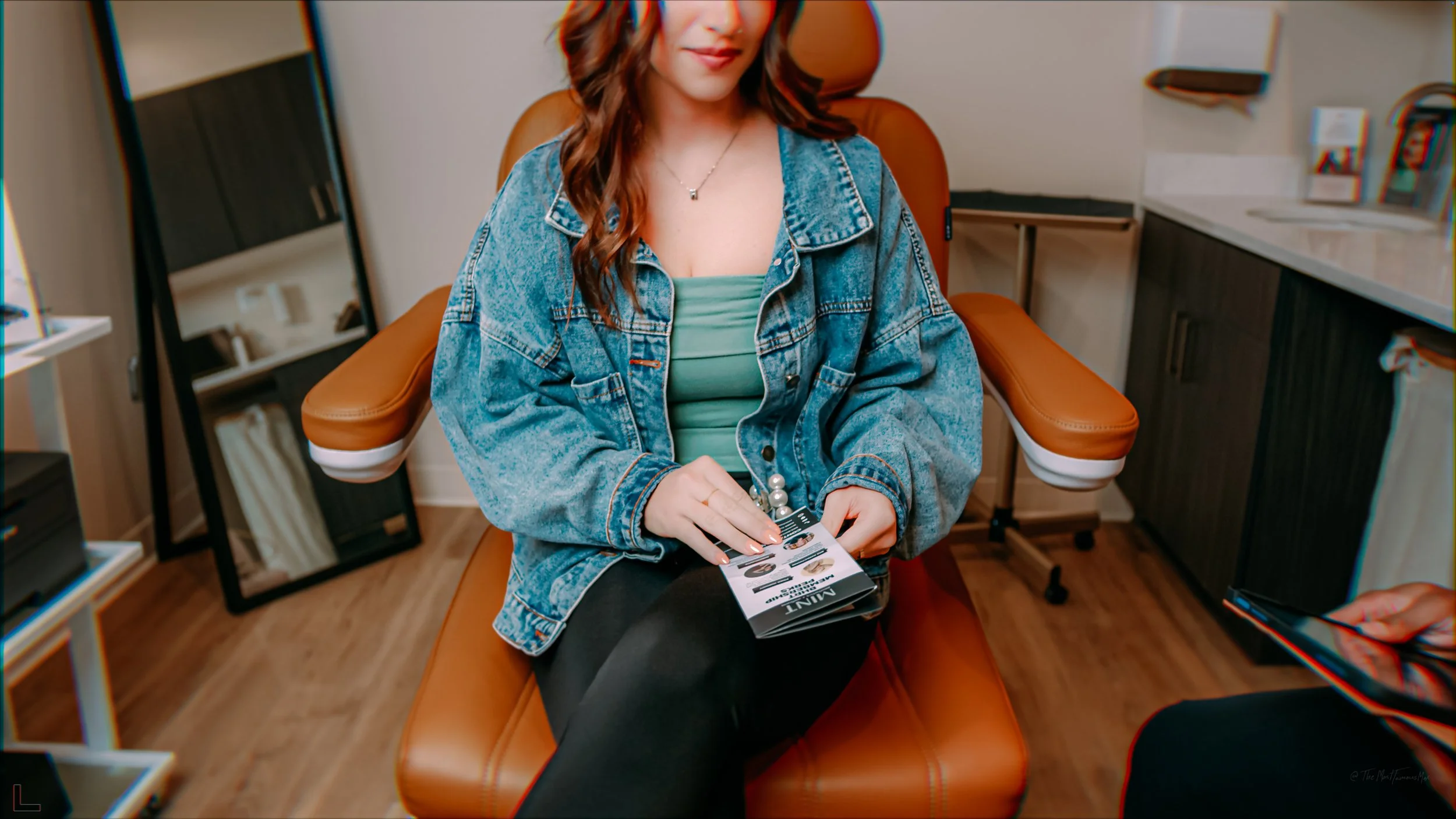
IV Vitamin Injections
When oral supplements aren't getting absorbed, injections often are.
-
Peptide Therapy
Often paired with hormone optimization for recovery, sleep, and body composition.