
Comparing GLP-1 Weight Loss Medications: How Providers Choose

If you have been reading about GLP-1 weight loss medications, you have probably noticed they get discussed as if they are one product.
They are not. They differ in how they are dosed, which receptors they act on, how much weight loss the trials showed, what side effects are most common, and what they cost.
Choosing between them is a medical decision, which is why every medical weight loss plan here starts with labs and body composition instead of a prescription. This post explains what actually separates these medications and what a provider is weighing when they pick one.
What this class of medication does
GLP-1 stands for glucagon-like peptide-1, a hormone your gut releases after you eat. It tells your pancreas to release insulin, slows how fast your stomach empties, and signals your brain that you are full.
Prescription GLP-1 medications mimic that hormone at a much higher and steadier level than your body produces on its own. The practical result for most people is that they feel full sooner, stay full longer, and think about food less. That last part is the one patients describe as the biggest change. The constant background noise about the next meal gets quieter.
Some newer medications in this space act on more than one receptor at a time, which is one of the real differences between options and one reason trial results vary between them.
The differences that actually change your experience
How often you inject. Some are weekly, some are daily. If needles are a sticking point for you, this matters more than a small difference in average results.
Which receptors it targets. Single-receptor and dual-receptor medications exist. Dual-receptor options have generally shown larger average weight loss in trials, though averages are not predictions for any one person.
How the dose ramps up. All of these start low and increase over weeks or months. The ramp schedule differs, and going up too fast is a common reason people quit early because of nausea.
Side effect profile. Nausea, constipation, and reflux are the usual ones across the class, and they are usually worst in the first weeks and after each dose increase. Less common but more serious risks exist, including gallbladder problems and pancreatitis, and there are people who should not take these medications at all. That screening is part of the consult.
Cost and availability. These vary a lot and change often, by product and by insurance plan. We go over real numbers with you rather than quoting a list price, and financing through Cherry is available if that helps.
What happens when you stop. Worth knowing up front: for most people, appetite returns and some weight comes back. Planning for the maintenance phase is part of the plan, not an afterthought.
Why we test before we prescribe
Two people can weigh the same and need completely different plans. Here is what we look at first.
Bloodwork. Blood sugar and A1C, thyroid function, lipids, liver and kidney markers, and hormones. Thyroid problems, insulin resistance, and low testosterone or estrogen all affect weight, and treating the medication as the whole answer while ignoring those is how people end up frustrated eighteen months later.
Body composition on the InBody scale. This one changes the conversation. The scale at home gives you one number. The InBody separates fat mass from lean muscle mass and tracks water. Losing weight fast while losing a lot of muscle is a bad outcome even when the number on the scale looks great, and it is a known risk with rapid weight loss. We track composition so we can see it happening and adjust.
PNOE breath testing. This measures the chemicals in your breath while you sit still. It shows what your body burns easily and what it tends to store as fat. There is no exercise involved, no treadmill, you sit and breathe normally. It tells us how to shape the nutrition side of your plan rather than handing you a generic calorie target.
Everything else. Medications you are on, your history, what you have already tried, whether you have a plan for protein and resistance training. That last one is not a lecture. Protein intake and strength work are the main protection against losing muscle while you lose fat.
What ongoing care looks like
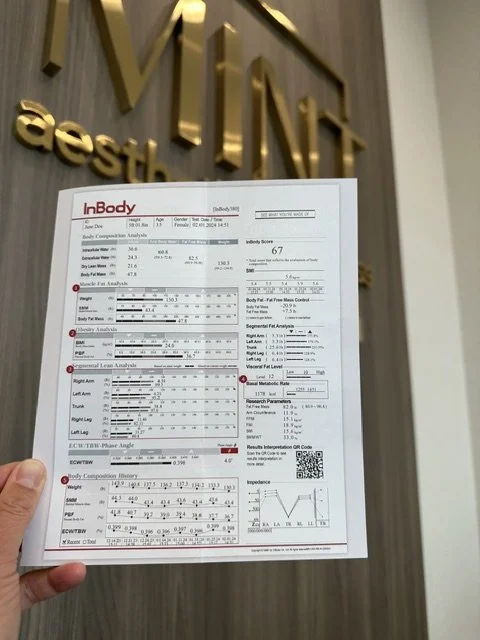
Prescription weight loss is not a script and a wave goodbye. Doses need adjusting. Side effects need managing. Labs and body composition get rechecked so we can see whether the plan is doing what we want it to do.
Visits can be telemedicine or in person, whichever you prefer, and our providers are licensed in Illinois as well as Iowa, so patients in Moline, Rock Island, and East Moline can do most follow-ups from home. Labs, the InBody scan, and breath testing happen at the clinic.
There is a Weight Loss membership if you want the visits, labs, and tracking bundled, or you can do it a la carte. Our memberships page has the details. Some patients also add peptide therapy once they are stable, usually with recovery and holding onto muscle in mind.
If you are still at the stage of figuring out what support even looks like locally, how to find weight loss support in Bettendorf is a good starting point.
The honest summary
The medication is a tool, and it is a good one. It is not the whole plan. The people who keep the weight off are the ones who used the medication to make the nutrition and strength work possible, with someone actually monitoring the labs.
Book a wellness consult and get your numbers. Call 563-800-MINT or book online. We are at The Plex in Bettendorf, around the corner from the TBK Sports Complex.
Frequently asked questions
Which GLP-1 medication is the best one? There is no single best. Dual-receptor options have shown larger average weight loss in trials, but the right choice depends on your labs, your medical history, your tolerance for side effects, what your insurance covers, and whether weekly or daily dosing fits your life. That is the decision we make together at the consult.
Do I have to be diabetic to qualify? No. Some of these medications are approved specifically for weight management in people without diabetes. Whether you qualify depends on your BMI, your related health conditions, and your history, which we review before prescribing.
How fast will I lose weight? It varies widely, and the first month is mostly dose ramp-up rather than results. We would rather you lose fat steadily while holding muscle than drop weight fast and lose both. The InBody scans tell us which is happening.
What if the side effects are bad? Tell us early. Most nausea and digestive side effects are manageable with a slower dose ramp, timing changes, or adjustments to what and when you eat. Stopping abruptly on your own is usually not necessary and it is not the first thing we try.
Can I stay on this long term? Many people do, because these medications manage appetite and metabolism rather than permanently resetting them. We talk about the long-term picture and the maintenance plan before you start, not after.