
Signs of Low Testosterone in Men Over 40
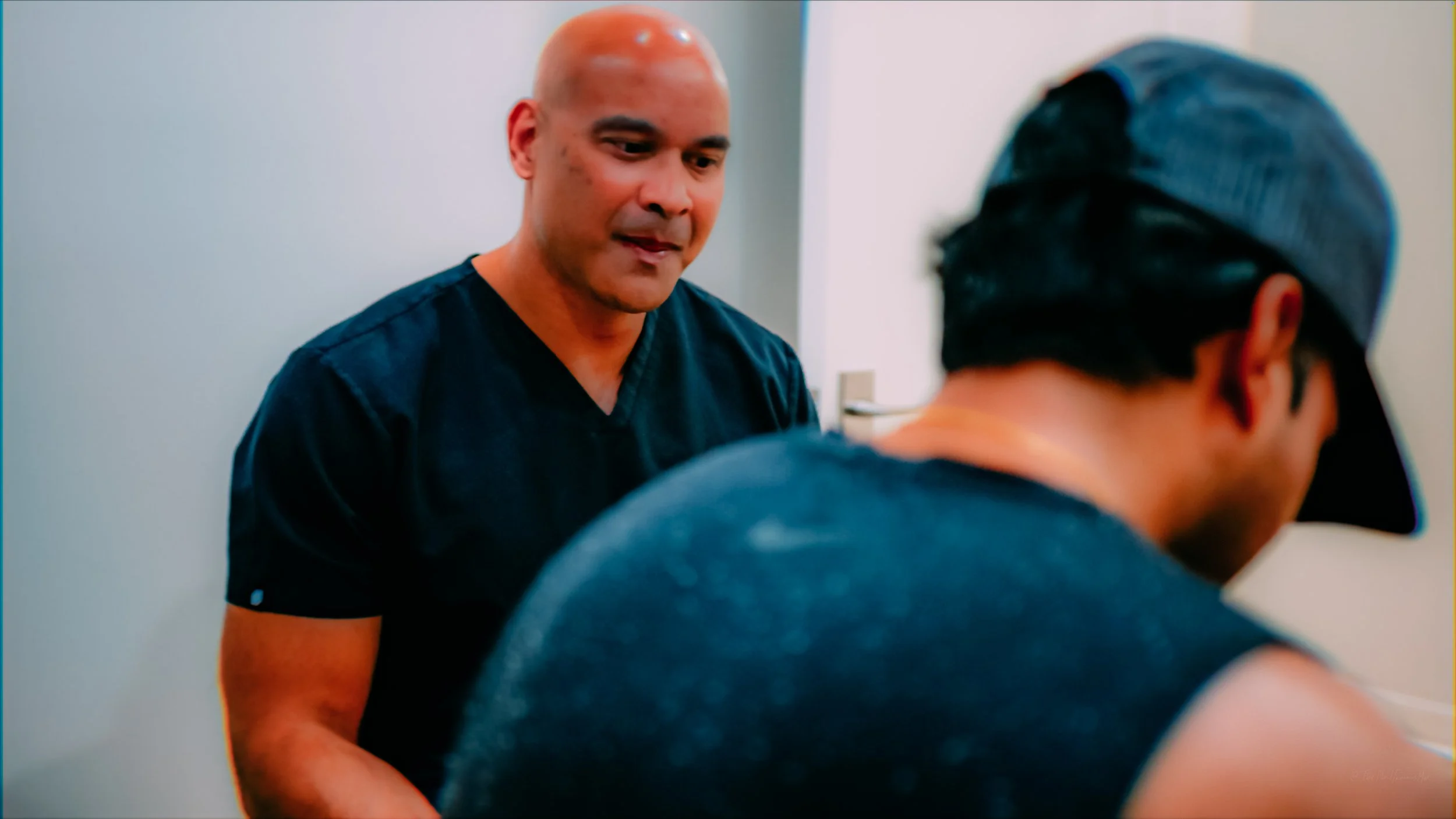
Most men who come to us with low testosterone did not walk in asking about testosterone.
They walked in because they are tired all the time, they are not sleeping well, and the weight around their middle will not budge no matter what they do at the gym.
The short answer is that low testosterone usually shows up as a cluster of symptoms rather than one dramatic change, and the only way to confirm it is a blood panel. I
f several of the signs below sound familiar, testosterone replacement therapy may be worth a conversation, but the testing comes first.
The signs men actually notice first
Testosterone starts a slow decline for most men somewhere in their 30s. That is normal. What is not normal is feeling wrecked by it. Here is what men in their 40s and 50s tend to describe when they sit down with us.
Energy that does not come back. Not the tired you fix with a good night's sleep. The kind where you get eight hours and still feel like you are dragging by two in the afternoon.
Sleep that stopped working. Waking up at three in the morning. Trouble falling asleep even when you are exhausted. Low testosterone and poor sleep feed each other, which is part of why this one is easy to write off as stress.
Weight that settles around the middle. Especially frustrating if your diet and training have not changed. Body fat goes up, muscle gets harder to hold onto, and the scale does not tell you which is which.
Strength that plateaus or slips. You are lifting the same weights you lifted three years ago, or less, and recovery between sessions takes longer than it used to.
Lower sex drive, or changes in performance. This is the one men bring up last, usually near the end of the appointment. It is also one of the more common reasons they finally book.
Mood and focus changes. Shorter fuse. Flat motivation. That fuzzy feeling where you read the same email three times.
None of these prove anything on their own. Plenty of them overlap with thyroid problems, sleep apnea, depression, iron deficiency, and just being a busy adult. That overlap is exactly why guessing is a bad idea.
Why "your labs are normal" is not always the end of the conversation
This is the sentence we hear repeated back to us the most. A man goes in, gets a single total testosterone number, lands somewhere inside a wide reference range, and gets told he is fine.
The problem is that the reference range covers a lot of ground and a lot of ages. A number that is technically inside the range can still be well below where you personally felt good. And total testosterone by itself does not tell you how much of that testosterone is actually available to your body. That depends on other markers, including SHBG and free testosterone, along with estradiol, and it is worth checking thyroid and metabolic markers at the same time because they produce overlapping symptoms.
Around here, the bar for hormone care is pretty low. One test, one dose, no follow-up. We built our practice the other way, which means a full panel and a real conversation about what the numbers mean next to how you feel.
What a proper testosterone workup includes
If you book a wellness consult and lab testing with us, the first visit is in person and it covers more than a blood draw.
A full hormone and metabolic panel. Total and free testosterone, SHBG, estradiol, plus thyroid, blood sugar, lipids, and a complete blood count. Morning draws matter here, because testosterone is highest earlier in the day.
Body composition on the InBody scale. This separates fat mass from muscle mass and tracks water. It matters because the scale at home cannot tell you whether you lost fat or lost muscle, and low testosterone tends to move both in the wrong direction.
PNOE breath testing, when metabolism is part of the picture. It measures the chemicals in your breath at rest to show what your body burns easily and what it stores as fat. No treadmill, no exercise test, you sit still and breathe.
A history that includes sleep, stress, alcohol, medications, and training. Several of those affect testosterone directly, and a couple of them are faster to fix than a prescription.
A plan you actually understand. We go through the results with you on screen, in plain language, and we tell you what we would do and why.
Some men leave that appointment on a hormone plan. Some leave with a sleep study referral and a follow-up in eight weeks. Both are real answers.
Is low testosterone reversible without therapy?
Sometimes, partly. Sleep apnea, heavy alcohol use, chronic under-eating, extreme overtraining, certain medications, and significant excess weight can all suppress testosterone, and addressing them can move your numbers. That is worth trying when the cause is clear.
But it is not a universal fix, and telling a 47 year old to "just sleep better" when his free testosterone is genuinely low is not care. If your levels are low and the lifestyle work has not moved them, monitored therapy is a reasonable next step. We track it with repeat labs rather than assuming the first dose was right.
What ongoing care looks like

Testosterone therapy is not a one-time thing. It is ongoing medical care, and it needs monitoring. We recheck labs after starting, adjust from there, and keep checking. Red blood cell counts, estradiol, and PSA all get watched.
Follow-ups can happen by telemedicine or in person, whichever you prefer. Our providers are licensed in Illinois as well as Iowa, so men in Moline, Rock Island, and East Moline can do check-ins from home the same way men in Davenport and Bettendorf can. Labs and body composition scans happen at the clinic.
Some men prefer to handle this on a monthly membership so the labs, visits, and adjustments are all in one place. Others go a la carte. Either works.
If you want to go deeper on how peptides fit alongside hormone therapy for recovery and body composition, our peptide therapy page covers that, and it is a common second conversation once testosterone is stable.
Ready to stop guessing?
If three or four of the signs above describe your last six months, get the panel. Worst case you rule hormones out and go looking somewhere else with better information.
Book a wellness consult at MINT, or call us at 563-800-MINT. We are at The Plex in Bettendorf, right around the corner from the TBK Sports Complex.
Frequently asked questions
What age does testosterone start to drop? For most men it begins a gradual decline in their 30s and continues from there. The decline itself is expected. Symptoms severe enough to affect your energy, sleep, weight, or sex drive are the part worth testing.
Do I need a referral to get my testosterone tested at MINT? No. You can book a wellness consult directly and we order the panel.
Will I be on testosterone therapy forever? Often yes, if low testosterone is the underlying issue, because therapy manages it rather than curing it. That is why we treat it as ongoing care with repeat labs and adjustments, and why we talk through the commitment before you start.
Can I do this from Illinois? Yes. Our providers are licensed in Illinois and Iowa, so telemedicine follow-ups are available to residents of both states. Your first appointment, labs, and any body composition or breath testing happen in the clinic.
How long until I feel different? It varies. Sleep and mood often shift earlier than body composition, which takes longer. We set expectations at the consult based on your specific numbers rather than a general timeline.