
If you are in crisis or thinking about harming yourself, call or text 988 to reach the Suicide and Crisis Lifeline, or go to the nearest emergency room. Ketamine therapy is planned care, not emergency care.
Ketamine therapy is a medical treatment for depression that has not responded to other approaches, given as a low-dose IV infusion in a monitored clinic setting.
It works differently from standard antidepressants, and for some people it brings relief in days rather than weeks. It is not a first-line treatment, it is not right for everyone, and it works best alongside ongoing mental health care. At MINT, ketamine infusion therapy is also used for PTSD, anxiety, and chronic pain that have not responded to other approaches. Here is how it works, what an infusion is actually like, and how to tell whether it is worth a conversation.
Who ketamine therapy is meant for
The people who usually come to us have done the work. They have tried at least two antidepressants, often more, given each one a fair trial, and they are usually in or have tried therapy. Some got partial relief. Some got side effects and nothing else. That pattern is often called treatment-resistant depression.
Ketamine may be worth considering if that sounds like you, or if you are living with PTSD, anxiety, or chronic pain that has not responded to other approaches.
It is generally not the starting point for someone who has not tried standard treatment yet. Those treatments help a lot of people, and they deserve a real try first.
How ketamine works differently
Most antidepressants work on serotonin and related brain chemicals, and they take four to eight weeks to show their full effect. Ketamine acts on a different system, involving a brain chemical called glutamate.
The current understanding is that this helps the brain form new connections between nerve cells, connections that chronic stress and depression tend to wear down. That may explain why some patients notice a shift in mood within hours to days after an infusion, rather than weeks.
The effect of a single infusion usually fades, which is why ketamine is given as a series and then followed by maintenance infusions spaced further apart.
A nasal spray form of ketamine is FDA-approved for treatment-resistant depression. IV ketamine for depression is used off-label, which is common in medicine and is backed by a substantial body of research, but it is worth knowing.
What an infusion is like
Before your first infusion, you start with a wellness consult. We go through your history, your diagnoses, what you have tried, and your current medications. Some health conditions need medical clearance first.
On infusion day, you settle into a private, dimly lit room. A small IV goes in your arm, and the infusion runs for roughly 40 minutes to an hour. Your blood pressure, heart rate, and oxygen are monitored the whole time, and a member of our medical team is with you.
Most people feel a dreamlike or detached state during the infusion. Some find it pleasant, some find it strange, and a few find it uncomfortable. It wears off fairly quickly once the infusion ends. We keep you for observation afterward, usually 15 to 30 minutes.
You cannot drive for the rest of the day, so you will need someone to take you home. Plan for a quiet afternoon with no big decisions or work.
The treatment plan
Treatment usually begins with a series of infusions over the first several weeks, called induction. That is when most of the benefit builds. After that, most patients move to maintenance infusions, spaced out based on how they respond. Some eventually need them only occasionally.
Your provider will check in on how you are doing throughout. If ketamine is not helping after the initial series, we will say so, and talk through other options.
Most patients keep taking their current antidepressant during treatment, though some medications need adjusting. We coordinate with your prescribing provider. We also recommend continuing therapy alongside infusions. Many people find the weeks after an infusion are when therapy starts to make more progress.
Side effects and safety
Ketamine has been used in medicine for decades, and at the low doses used for depression, with proper screening and monitoring, it has a solid safety record.
During or shortly after the infusion, people commonly notice the dissociation described above, a temporary rise in blood pressure and heart rate, nausea, dizziness, or fatigue. These generally pass within a couple of hours.
Ketamine is not a fit for everyone. Uncontrolled high blood pressure, certain heart conditions, a history of psychosis, pregnancy, and active substance misuse are among the reasons it may not be appropriate. That screening happens at your consult, and if ketamine is not right for you, we will tell you plainly. If you would rather ask questions before booking anything, call 563-800-MINT and talk to our team.
Is it worth exploring?
Ketamine is not a miracle, and anyone promising one should make you cautious. But for people who have spent years trying treatments that did not work, it is a real option backed by real research. For some people, the relief is enough to start engaging with the rest of their life again, including therapy, sleep, and relationships.
The legacy post on evaluating ketamine infusion therapy in Moline covers some of the local questions Illinois patients ask. Infusions happen in person at our Bettendorf clinic. Consults and check-ins can be telemedicine or in person, for Iowa and Illinois residents.
Ketamine therapy is typically not covered by insurance. Financing through Cherry is available, and our payment plans page has details.
Start with a conversation
If you have tried the standard options and still feel stuck, you do not have to keep guessing. A consult is a conversation, not a commitment.
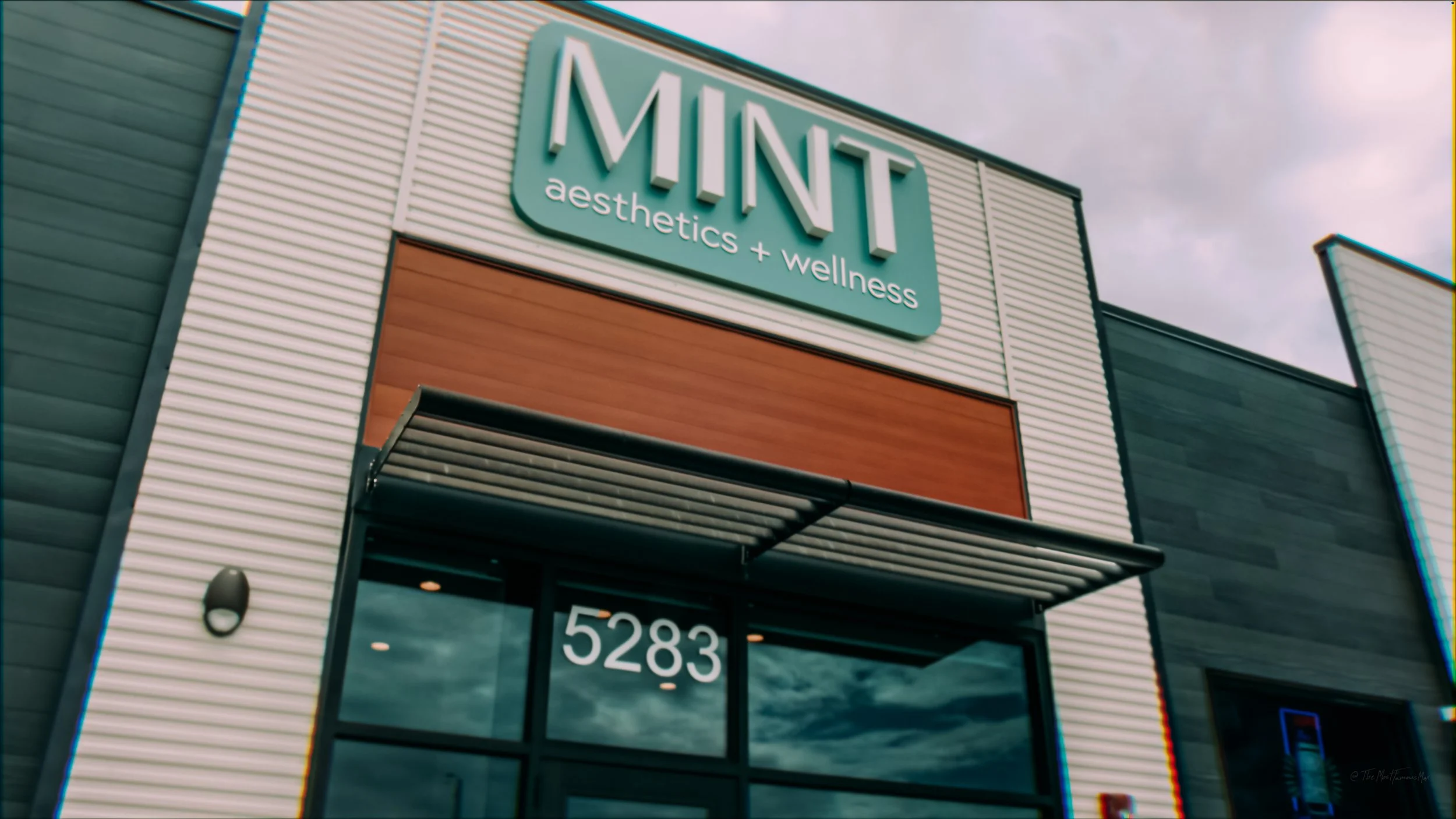
Book a ketamine consult online or call 563-800-MINT to talk it through first. We are at The Plex in Bettendorf, around the corner from the TBK Sports Complex.
Frequently asked questions
How fast does ketamine work for depression?
Some people notice a shift within hours to days after the first infusion. The full effect usually builds across the initial series.
Will ketamine make me feel high?
Most people feel dreamlike or detached during the infusion. It wears off fairly quickly after the infusion ends, and you are monitored throughout.
Is ketamine therapy addictive?
Ketamine can be misused outside medical settings. In a clinic, the doses are low, infusions are spaced out, and every session is supervised, which keeps that risk low. We screen for substance use history before treatment.
Can I keep taking my antidepressant?
In most cases, yes. Some medications need adjusting, and we coordinate with the provider who prescribes them.
Can ketamine infusions be done at home or by telemedicine?
No. Infusions are given in person at the clinic with monitoring. Consults and follow-up check-ins can be telemedicine or in person.
Does ketamine help with anxiety or PTSD too?
It can. Ketamine infusion therapy is also used for PTSD, anxiety, and chronic pain that have not responded to other approaches. Your consult covers whether it fits your situation.